Solar only
Terrace or small roof
3 kWp (about 7 panels)
Installed, 0% VAT£4,750 to £6,250
Saves a year£370 to £550
Payback10 to 14 years
What solar only, battery only or both really costs for the houses in and around Faversham, what you save, and how long it takes to pay back. Then a free quote.

The UK picture, October 2026
Every line comes from an official or supplier page we opened. See the full 2026 benefits page.
Worked examples
Prices, savings and paybacks for the systems people ask about most, from a small terrace roof to a plug-in kit for a flat. Read the bar: the longer it is, the longer the wait.
3 kWp (about 7 panels)
4 kWp (about 10 panels)
4.5 kWp + 5 kWh battery
4.5 kWp + 10 kWh battery
5 kWh battery, existing 4 kWp solar
5 kWh battery, no solar
One approved kit, up to 800W, no roof work
Estimates, not quotes. Prices assume 0% VAT (ends 31 March 2027, then 5%). Bar length is payback against a 45 year scale: a longer bar means a longer wait, and a battery lasts about 10 to 12 years. Plug-in solar figures are Energy Saving Trust, October 2026. See the notes under the full table on the costs page.
Your numbers
Change the figures to match your home. It all runs in your browser. We do not store anything.
Three routes, three price tags
Each has its own page with prices, local notes and honest paybacks.

Saves about £490 to £730 a year. The quickest payback of the three.
Solar only
Saves about £640 to £960 a year. Power after dark.
Solar and battery
Saves about £90 to £130 a year on existing solar, more on a cheap overnight tariff.
Battery onlyNot sure yet?
Four questions, one straight answer. Sometimes the answer is “not yet”.
Faversham's homes
Swale's 2021 Census counted 60,495 households: 33.7% semi-detached, 29.8% terraced, 23.9% detached and 8.6% in purpose-built flats. About 67% own their home, 18.4% rent privately and 13.3% rent from a social landlord. These are borough figures, because we found no table for the town alone. We check your roof, your street and the planning rules before we quote.
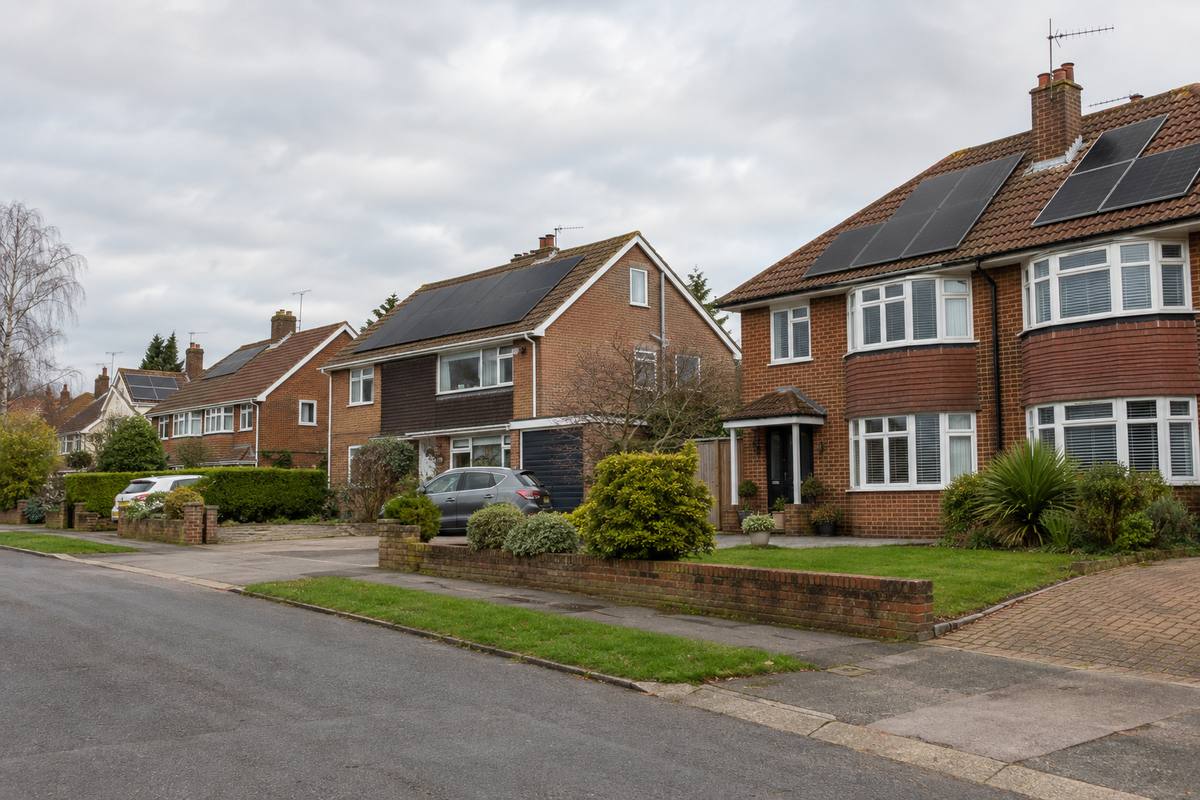
33.7% of Swale households live in a semi, the most common type in the borough (Census 2021).

29.8% of households. On a terrace the shape of the roof, not just its direction, usually sets the size of the system.

23.9% of households. The biggest roofs, often wide enough for 5 kWp or more, so the case for a battery is worth testing.
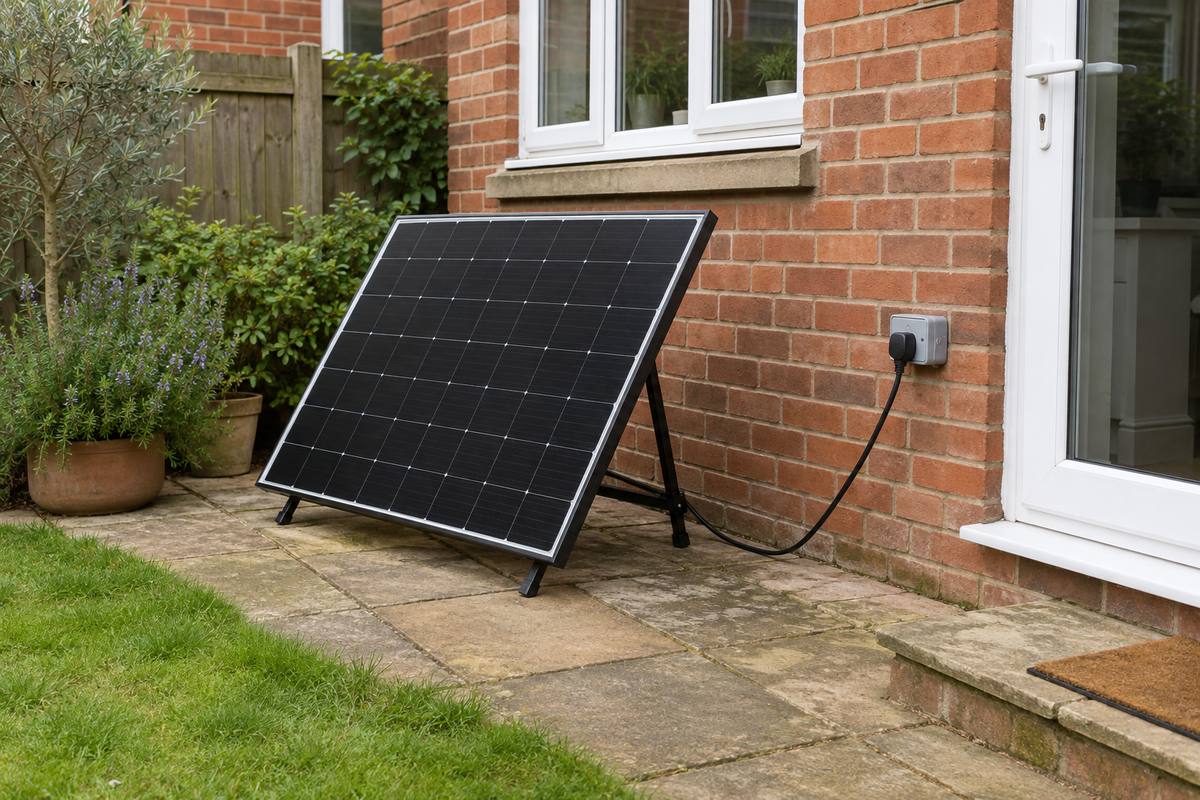
About 8.6% live in a purpose-built block and 1.5% in a converted or shared house, where plug-in solar and a battery inside are the usual routes.
Where we work
Postcodes ME13, with ME9 for Teynham. Pick your area for local notes, conservation area checks and what we look at.
Plain-English guides
Price ranges for the common systems, with yearly savings and honest paybacks.
Read the guideThe sums behind a battery, with honest paybacks and the cases where it earns more.
Read the guideHow to pick kWp and kWh without paying for capacity you will not use.
Read the guidePick the right route for your home, with prices side by side.
Read the guideWhat the 0% rate covers, who gets it, and what changes on 31 March 2027.
Read the guideWhat to check before panels go on a Faversham roof: planning, landscape, and the network.
Read the guideLatest news
Official sources, dated, with plain commentary.
Quick answers
As of October 2026 we estimate about £5,500 to £7,500 for 4 kWp of solar, and about £8,500 to £12,500 for 4.5 kWp with a 5 kWh battery. A 5 kWh battery fitted to solar you already have is about £2,750 to £4,750. These are our estimates, set against Energy Saving Trust costs, and they are not quotes.
On savings alone a battery usually pays back slowly, often longer than its 10 to 12 year life, unless you can fill it on a cheap overnight tariff or you run an electric car or heat pump. The Energy Saving Trust says savings will not always justify the cost on their own. The estimator shows the sums for your house, and we will tell you if a battery is not worth it.
On 31 March 2027. GOV.UK VAT Notice 708/6 sets the zero rate to that date and the reduced rate of 5% from 1 April 2027, unless the rules change. A battery installed on its own gets the same treatment.
Most house roofs in England are permitted development. In a conservation area, panels must not be fitted to a wall, balcony or roof enclosure that fronts a highway, and listed buildings need consent. Equipment has to be sited, so far as practicable, to minimise its effect on appearance. Swale Borough Council supplies records for around 50 conservation areas, including Faversham Town, Ospringe and Preston-next-Faversham, and its own advice may be stricter, so we check your address first.
Plug-in solar has been legal in Great Britain since 27 August 2026 for approved kits, with written permission from your landlord or freeholder. A battery inside the home is another route, again with permission. Our plug-in solar page sets out the rules and what each option can and cannot do.
UK Power Networks runs the local network, through its South Eastern Power Networks licence area. Your installer notifies them, and larger systems need their approval before work starts. We handle the paperwork and confirm the operator from your meter number.
Under the Smart Export Guarantee every rate must be above zero. On 7 October 2026 supplier pages showed 3p to 18p per kWh: 4.1p for a plain Octopus SEG, 12p at British Gas for its electricity customers, 17.5p at E.ON Next for E.ON-installed systems and 18p at EDF for systems bought from EDF. The Energy Saving Trust says typically about 12p.
Yes. We cover the town and the villages around it, including Davington, Ospringe, Preston, Oare, Graveney, Boughton under Blean, Selling, Sheldwich, Throwley, Teynham and Lynsted. See the area pages.
Tell us your address and your last 12 months of electricity use. We reply with clear options and prices.