Solar only
Terrace or small roof
3 kWp (about 7 panels)
Installed, 0% VAT£4,750 to £6,250
Saves a year£370 to £550
Payback10 to 14 years
Eight common systems for an ordinary house, and a plug-in kit for a flat, with prices, yearly savings and rough payback in plain numbers.
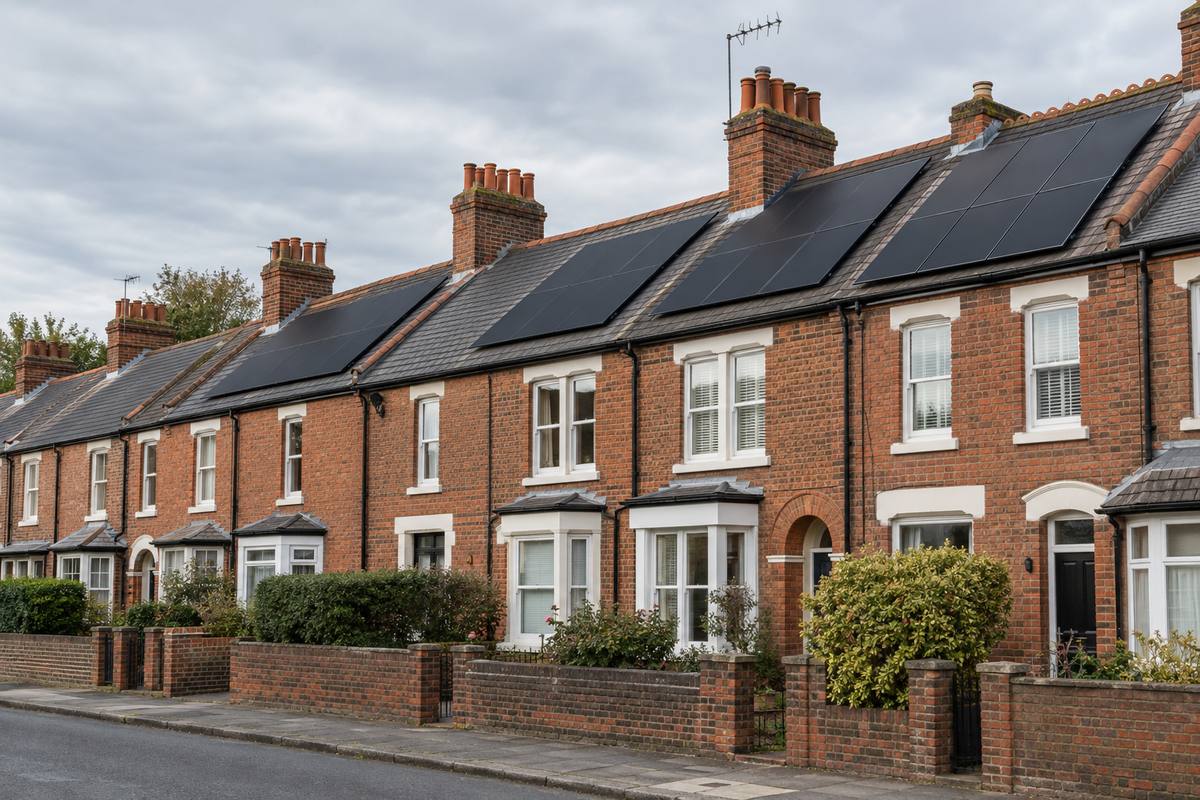
The honest summary. Solar on its own is the best value for most houses. A battery adds evening power, flexibility and backup, but it pays back slowly unless you use a lot of power after dark or can fill it cheaply overnight. We will tell you if a battery is not worth it for your house.
3 kWp (about 7 panels)
4 kWp (about 10 panels)
4.5 kWp + 5 kWh battery
4.5 kWp + 10 kWh battery
5 kWh battery, existing 4 kWp solar
10 kWh battery, existing 4 kWp solar
5 kWh battery, existing 4 kWp solar
5 kWh battery, no solar
One approved kit, up to 800W, no roof work
Estimates, not quotes. Prices assume 0% VAT (ends 31 March 2027, then 5%). Bar length is payback against a 45 year scale: a longer bar means a longer wait, and a battery lasts about 10 to 12 years. Plug-in solar figures are Energy Saving Trust, October 2026. See the notes under the full table on the costs page.
| System | Installed price (0% VAT) | Saving and export income a year | Rough payback |
|---|---|---|---|
| Small solar only3 kWp (about 7 panels) | £4,750 to £6,250 | £370 to £550middle estimate £460 | 10 to 14 years |
| Solar only4 kWp (about 10 panels) | £5,500 to £7,500 | £490 to £730middle estimate £610 | 9 to 12 years |
| Solar and small battery4.5 kWp + 5 kWh battery | £8,500 to £12,500 | £640 to £960middle estimate £800 | 11 to 16 years |
| Solar and large battery4.5 kWp + 10 kWh battery | £10,500 to £16,250 | £730 to £1,090middle estimate £910 | 12 to 18 years |
| Battery added to existing solar5 kWh battery, existing 4 kWp solar | £2,750 to £4,750 | £90 to £130middle estimate £110 | 25 to 43 years |
| Large battery added to existing solar10 kWh battery, existing 4 kWp solar | £5,000 to £8,750 | £180 to £270middle estimate £220 | 23 to 40 years |
| Battery added to solar, cheap overnight rate5 kWh battery, existing 4 kWp solar | £2,750 to £4,750 | £180 to £280middle estimate £230 | 12 to 21 years |
| Battery only, cheap overnight rate5 kWh battery, no solar | £2,750 to £4,750 | £180 to £270middle estimate £230 | 12 to 21 years |
Estimates, not quotes. Prices sit around the Energy Saving Trust typical costs (about £7,600 for a 4.5 kWp system and about £4,600 for a 5 kWh battery) and MoneySavingExpert's (about £7,600 and about £5,000), and are rounded by us. Savings use a house that uses 3,000 kWh a year, electricity at 26.32p per kWh (Ofgem price cap, 1 October to 31 December 2026), 12p per kWh paid for exported power and, where shown, a 10p cheap overnight rate. Real export rates on supplier pages range from 3p to 20p. Your roof, your use and your tariff change the result. See all sources and dates.
An approved plug-in kit costs from about £450 and the Energy Saving Trust puts savings at about £70 to £100 a year (GOV.UK says up to £110). On the cheapest kit that is roughly 4 to 6 years to pay back on those savings (our arithmetic), but it only covers a small slice of your use. Plug-in solar rules and kits.
They assume 0% VAT, which applies to installing solar and batteries in a home until 31 March 2027. From 1 April 2027 the rate is 5% unless it changes, so add about 5%.
A battery moves power from the middle of the day to the evening. It saves the gap between what you would be paid to export and what you pay to buy. With export at about 12p and electricity at 26.32p, that gap is small, and a battery lasts only 10 to 12 years, says the Energy Saving Trust. Many people buy one for flexibility and backup as well as savings.
A cheap overnight tariff with a smart meter, an electric car or heat pump, a battery sized to your evening use, and a good price. A larger battery does not mean a faster payback.
Tell us your address and your last 12 months of electricity use. We reply with clear options and prices.